

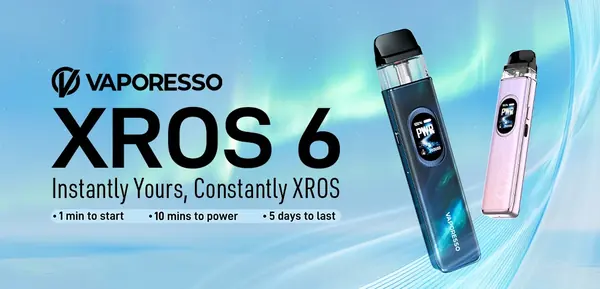
Product data connects purchasing, receiving, merchandising and replenishment. A missing variation or unclear pack quantity can create errors long after an order is placed, so buyers need a repeatable validation list.
Identify the exact sellable item
Record brand, product line, model or format, variation and sellable unit. Use an internal SKU or supplier identifier that remains stable when display copy changes.
Do not rely on an image as the primary identifier. Packaging can change and several variations may share nearly identical artwork.
Separate unit, inner pack and case
Write down what the quoted quantity represents and how many sellable units it contains. The purchase order, receiving count and inventory system should use compatible units of measure.
When a minimum quantity applies, confirm whether it is a multiple, an inner pack or a full case.
Capture operational attributes
Record the attributes customers and staff use to distinguish the item, such as device compatibility, capacity, format or available options. The pod systems collection illustrates why compatibility should be a separate verified field. Use verified source material and avoid filling gaps with assumptions.
Keep customer-facing claims separate from internal notes. Any legal, tax, licensing or resale requirement should be reviewed under the retailer’s own compliance process.
Plan for controlled updates
Add the source and date for facts that can change. When packaging or specifications are revised, retain enough history to explain why an old purchase order differs from the current catalog.
Assign an owner for corrections and use one canonical product record so duplicate entries do not compete in search or split sales history.
Minimum product-record fields
| Field group | Required value | Validation question |
|---|---|---|
| Identity | Brand, line, model and exact variation | Could receiving distinguish this item without relying on the image? |
| Identifiers | Supplier SKU and internal SKU | Will the mapping survive a title or packaging update? |
| Quantity | Sellable unit, inner pack, case and order multiple | Does the purchase unit match the receiving unit? |
| Operational attributes | Format, capacity, compatibility and listed options where applicable | Is every value supported by a verified source? |
| Governance | Source URL or document, checked date and record owner | Who corrects the record when the source changes? |
Mark an unknown value as pending instead of copying a value from a similar product. A visible data gap can be resolved; an invented value can propagate through purchasing, search and customer communication.
Action checklist
- Brand, product line and exact variation are recorded.
- Supplier and internal identifiers are mapped.
- Sellable unit, pack and case quantities are explicit.
- Operational attributes come from a verified source.
- Images match the exact item or are labeled illustrative.
- Source date and correction owner are documented.
Use the plan with your next wholesale order
Use the details on individual catalog pages as a starting point and confirm current specifications, pack quantities and availability before ordering.